

The War Psychology, Support and Rehabilitation Institute
WISPR is an institution established at the intersection of science, experience, and action to provide professional, systemic, and sustainable psychological support to those affected by war.
WISPR serves military personnel, veterans, civilians, and children — with contextual understanding, evidence-based approaches, and deep ethics. Our goal is to make help not an exception but a systemic norm. Not a reaction, but a response.
Created through the efforts of the NGO "Zemliachky"

Key goals WISPR

Professional training of specialists (advanced training, certification)

Creation of a scientific knowledge base on war psychology

Development and implementation of effective support methods

Building a professional community (network, experience-sharing platform)

Strengthening cross-sectoral cooperation (government — civil sector — business — healthcare system)
WISPR Educational Program
A year-long advanced qualification course for practicing psychologists
WISPR Institute, together with leading experts, created a professional development program (syllabus) for psychologists working with military personnel, veterans, and their families.
Program structure:
- 4 modules
- Practice
under supervision - Intervision
meetings

1
Module
Combatant Culture
In-depth understanding of military subculture: its norms, values, rituals, and communication styles. Skills for effective interaction with people who have combat experience.
2
Module
Introduction to the Specialization
Core ethical principles, psychological first aid, psychoeducation, self-regulation, overview of mental health conditions affecting military personnel. Start of supervised practice.
3
Module
Tools for Working with the Military
Screenings, case management, psychotherapeutic approaches, reporting and recommendations, interaction with pharmacotherapy.
4
Module
Crisis Communication and Conflict
Work with themes of loss, violence, suicide, crisis response, conflicts within military units, and stabilization methods.
Strategic Activity Blocks WISPR
The Institute works across three strategic blocks reflecting different timelines:
Military and Veterans
This is WISPR's foundational focus at launch.
Civilians and Families of Military/Veterans
Children and Youth
Founders of the WISPR project

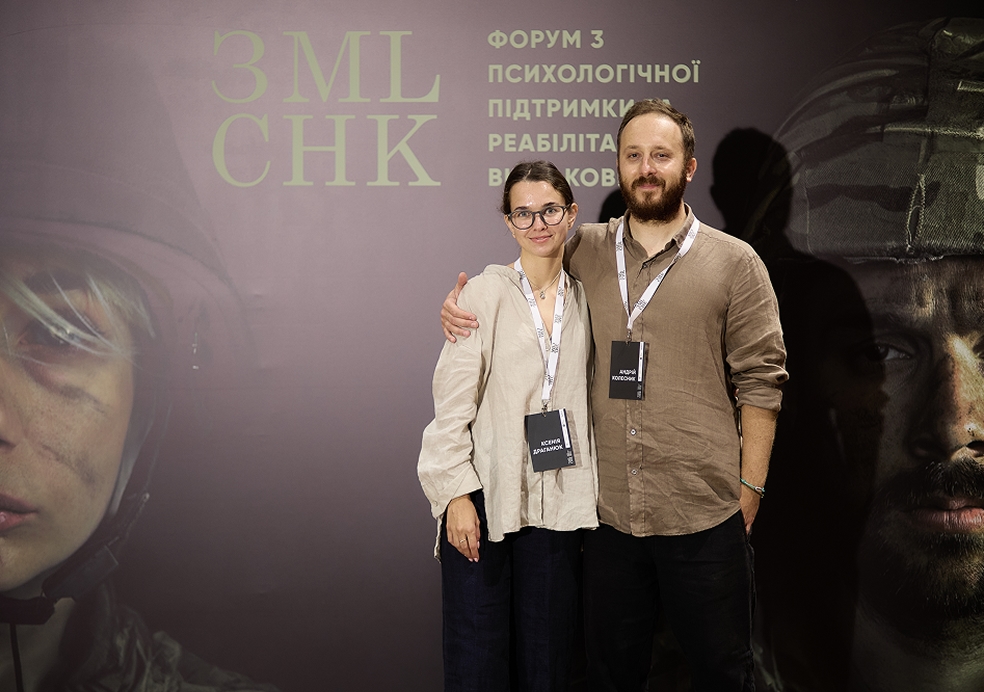
Ksenia Drahaniuk and Andrii Kolesnyk
Co-founders of NGO "Zemliachky" and the WISPR Institute
Project Team WISPR

Hanna Havrysh
Program Director at the Institute of Psychology of War (WISPR), Clinical Psychologist, Trainee Psychotherapist in Logotherapy and Existential analysis

Viktoriia Iablonska
Chief Operating Officer, Master of NGO Management; Clinical Psychologist in training; Trainee Psychotherapist in Emotionally Focused Therapy (EFT)

Viktoriia Vintoniak
PhD, Military Psychologist, Professor at the National Defense University of Ukraine
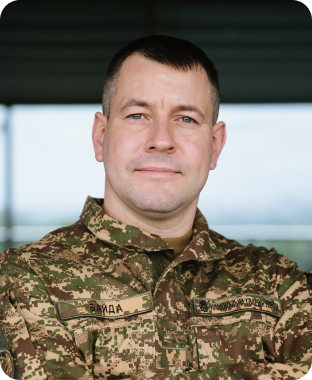
Maksym Baida
PhD, Senior Research Fellow at the Research Laboratory of Moral and Psychological Support of Service and Combat Activities of the National Guard of Ukraine, National Academy of the National Guard of Ukraine, Lieutenant Colonel
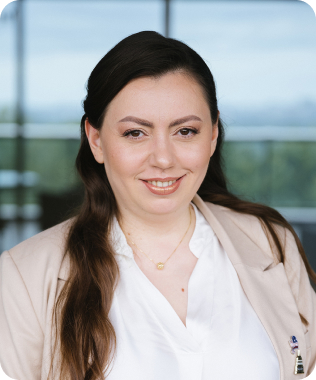
Marta Pyvovarenko
Psychologist, researcher, a member of the American Psychological Association. Mental Health Consultantant Inclusion at Oleksandr Tereshchenko Charity Foundation (Vilnius, Lithuania). Marta is a principal investigator in Ukraine for the international “Vitality Project Donbas”, implemented in partnership with Wesleyan University (Connecticut, USA) and recognized by the UN Inter-Agency Standing Committee as one of 12 exemplary peacebuilding projects in the world (2024)
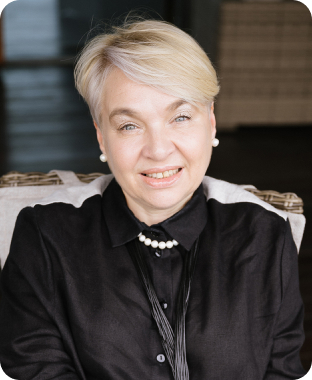
Marianna Markova
Psychiatrist, Psychotherapist, Sexologist, Psychologist; Doctor of Medical Sciences, Professor, Academician of the National Academy of Higher Education of Ukraine; Vice President of the Association of Psychotherapists and Psychoanalysts of Ukraine, Head of the Section on Trauma-Focused Psychotherapy; Head of the Department of Sexology, Psychotherapy, and Medical Psychology at Kharkiv National Medical University

Kseniia Dubych
Psychiatrist at the Mental Health Clinic "4Help", NGO "Veteran Hub". Viktoria Vintonyak Military Psychologist, PhD in Psychology, Professor of the Department, Member of the National Psychological Association of Ukraine, Colonel
WISPR development stages
Stages of Development 2024–2030
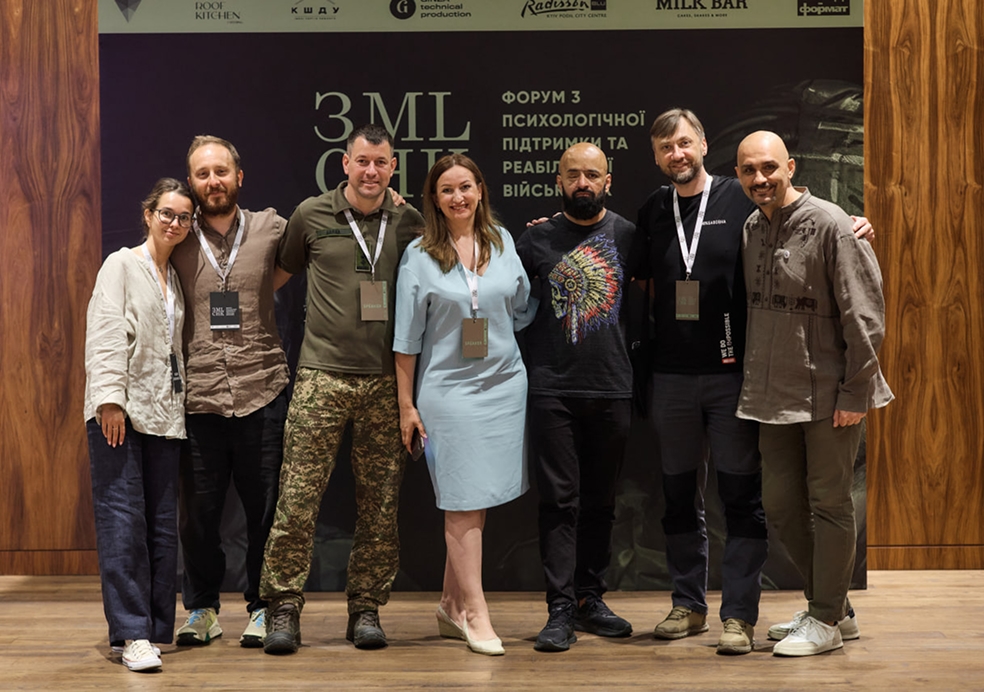
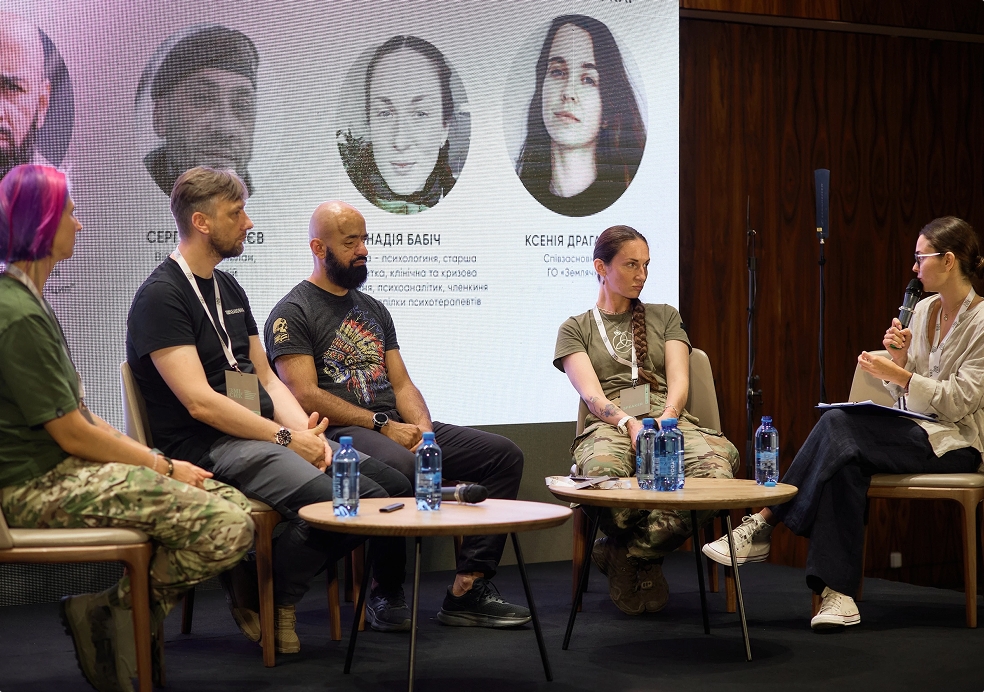
Hosting the first Forum on Psychological Support for Military and Veterans
- Initial stage of thematic research
- Building relationships with experts, institutions, and the professional community
- Forming shared vision and identifying needs
Creating the Educational Program (Syllabus)
- Developed by the expert team
- Focus on military and veterans
- Inclusion of leading practitioners and methodologists
Program Testing and Refinement
- Piloting modules
- Peer review by Ukrainian and international experts
- Approval and preparation for launch
Opening Grant-Based Enrollment
- Autumn 2025
- Applicant verification and motivation-based selection
- Priority for psychologists already working with military
- Faculty recruitment
- Integration with KSPA processes
Launching Training for the First Cohort
- Modular training begins
- Small groups (up to 30 people)
- Practice, supervision, ethical support
Launch of Research Department
- Analysis of existing methods and approaches
- Systematization of public and private institutions into a coherent model for veterans
- Researching the psychological impact of war on Ukrainians
- Monitoring effectiveness of existing approaches
- Creating an evidence base for state and international partners
Establishing Unified Certification System for Trauma Specialists
- Creation of WISPR Expert Council with trusted institutions
- Certification of verified professionals by WISPR and partners
- Public registry of graduates
Platform for Psychological Support
- Online and offline consultations
- Field programs, group therapy, case management
- Dedicated team of professionals
- Digital platform for support and knowledge sharing
Physical Infrastructure for WISPR
- Training, rehabilitation, and crisis intervention center
- Interdisciplinary research and practice environment
Institutionalization and Scaling
- Inclusion of WISPR practices in national standards
- Regional expansion
- Long-term partnerships with ministries, universities, veteran organizations
Project Partners








Current Partnership Opportunities
1
Financial Support for Educational Program
Funding the launch and implementation of the training program for specialists working with military and their families
2
Support for Research and Administration
- Enabling analytical work and team operations
- Unifying research and practice into a single professional framework
3
Expert Participation
- Involving lecturers, scholars, and psychologists with war-related experience
- Co-development and peer review of modules (syllabus)
- Participation in pilot teaching groups
4
Expanding the Professional Network
- Bringing specialists into future training, research, and cross-sector initiatives
- Building a platform for exchange between state, academic, and civil sectors